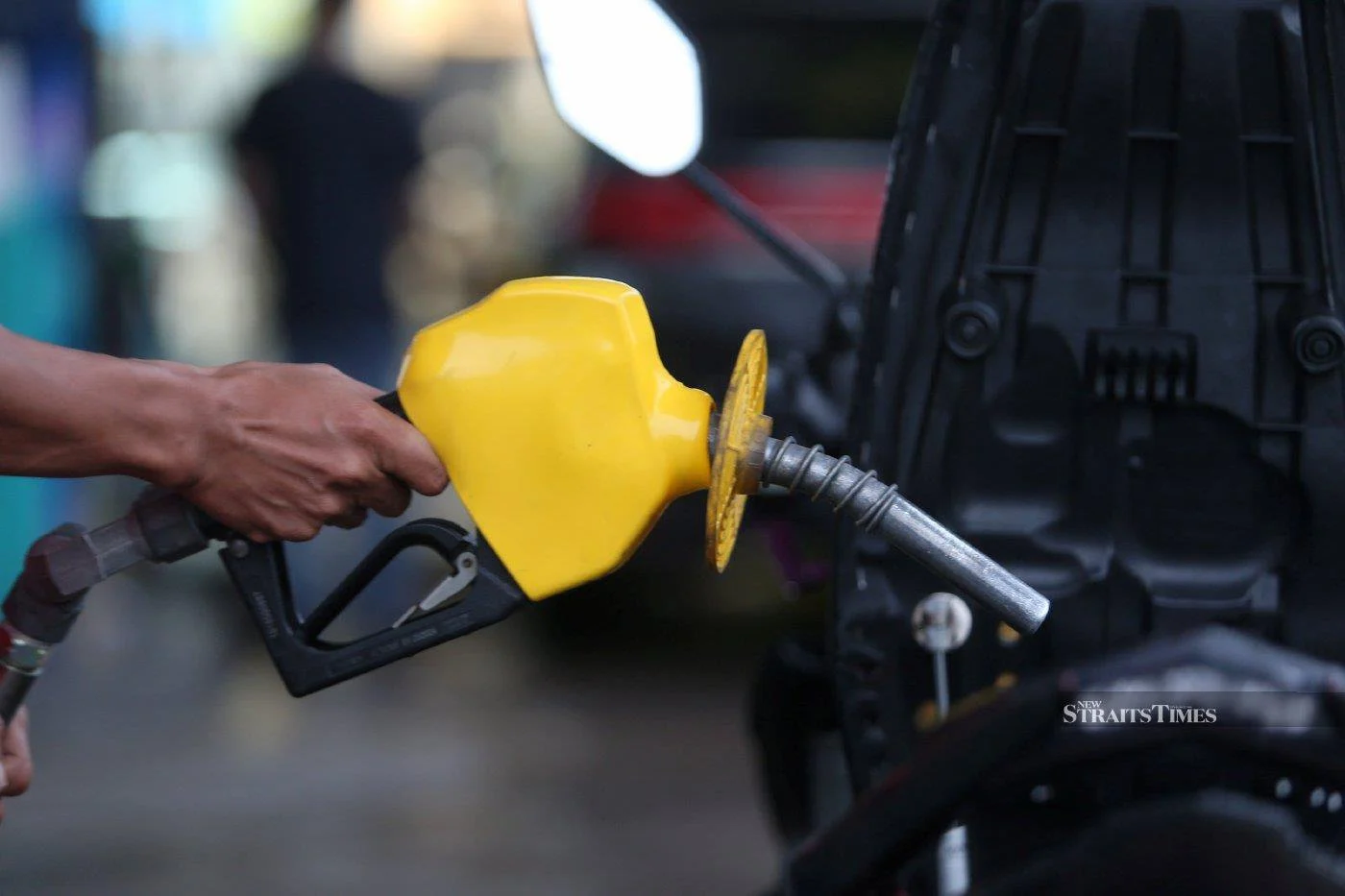


PUTRAJAYA: The B15 biodiesel implementation in Peninsular Malaysia starting June 1 is set to strengthen the country’s energy security without affecting palm oil export volume while also helping to support the local palm oil industry and accelerate the national green agenda.
Plantation and Commodities Minister Datuk Seri Dr Noraini Ahmad said the increase in the biodiesel blend from B10 to B15 (15 per cent palm oil-based biodiesel) has been carefully planned after taking into account the industry’s readiness, supply situation, and existing infrastructure.
She said the government had conducted a detailed analysis regarding the implementation, including the country’s palm oil supply capacity, to ensure that exports of the commodity would not be affected.
“We produce about 20 million metric tonnes of palm oil annually and export around 16 million metric tonnes. This means there is a surplus of about four million metric tonnes for domestic use.
“The implementation of B15 only requires about 0.8 million metric tonnes out of that amount, so it will not disrupt the country’s export volume,” she said during a media briefing on the B15 biodiesel implementation here today.
Noraini said B15 was selected as the best blending rate at present following engagement sessions with industry players, who felt the rate could be implemented without requiring major upgrades to existing facilities.
“We see B15 as the appropriate rate that can be carried out in the near term without requiring major changes to existing facilities,” she said.
Noraini said the B15 implementation is also expected to help boost demand for local palm oil while reducing the country’s dependence on imported fossil-based diesel.
On April 14, Economy Minister Akmal Nasrullah Mohd Nasir said the government has agreed to increase the biodiesel blend rate from B10 to B15, beginning with B12, in order to sustain the country’s diesel supply following the crisis in West Asia.
The move was taken to avoid overdependence on imported fossil fuels and external markets as well as to implement economic restructuring through an accelerated transition to renewable energy.
Touching on the expansion of B20 biodiesel usage, Noraini said several areas, including Sarawak, Labuan, Langkawi, and Bintulu, have already implemented B20.
She said the government has also approved an allocation of RM42 million for the first phase of facilities upgrade towards the implementation of B20 in Sarawak.
“For the second phase, the ministry is requesting an additional allocation of about RM56 million to upgrade distribution terminals, particularly in the Klang Valley Distribution Terminal (KVDT) area,” she said.
The National Biodiesel Programme, introduced in 2011 through the implementation of B5 for the transportation sector, was expanded with the introduction of B7 in 2014, followed by the phased rollout of the B10 and B20 mandates between 2019 and 2020.
The B10 biodiesel mandate for the transportation sector involves a composition of 10 per cent palm oil-based methyl ester (PME) and 90 per cent petroleum diesel, while B20 biodiesel contains 20 per cent PME and 80 per cent petroleum diesel.
For the industrial sector, the use of B7 biodiesel involves a mixture of seven per cent PME and 93 per cent petroleum diesel.
The increased biodiesel usage is also expected to raise domestic palm oil consumption, with the B15 implementation requiring an estimated 0.801 million metric tonnes annually compared to 0.534 million metric tonnes annually for B10.
The B20 implementation will see palm oil usage reaching an estimated 1.068 million metric tonnes annually, which would help stabilise domestic palm oil demand while supporting the income of smallholders and other players in the country’s palm oil industry.
The government is now targeting to implement the B30 mandate for the land transport sector by 2030 in line with the National Agricommodity Policy, the National Energy Policy, and the country’s energy transition and low-carbon development aspirations. – Bernama